Active listening: check understanding before choosing your response
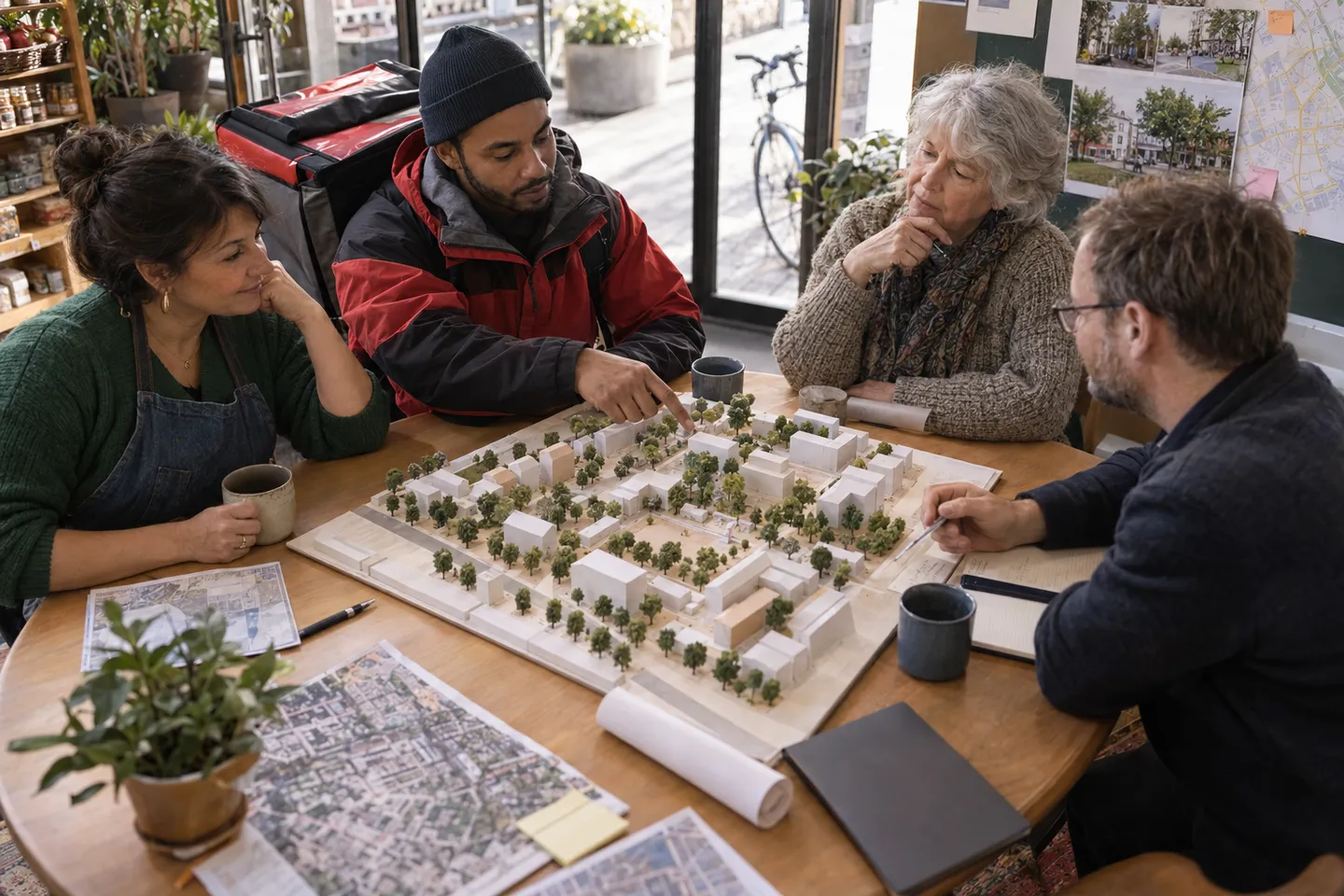
Active listening means giving another person enough attention and room to explain, then checking whether your interpretation matches what they meant.
Method
Find methods for innovation, change and collaborative work. Understand how each works, when it helps and where its limits lie.
Active listening means giving another person enough attention and room to explain, then checking whether your interpretation matches what they meant.
Method
Stage-Gate separates the work of developing an opportunity from the decisions to continue investing in it.
Framework
The lead-user method looks for people who already face an emerging need strongly enough to develop unusual knowledge or their own solutions.
Method
Morphological analysis explores different concepts by separating a problem into parameters, listing possible options for each and combining those options deliberately.
Method
Organizational ambidexterity means being able to improve an established business while exploring opportunities that need different assumptions, routines and measures.
Framework
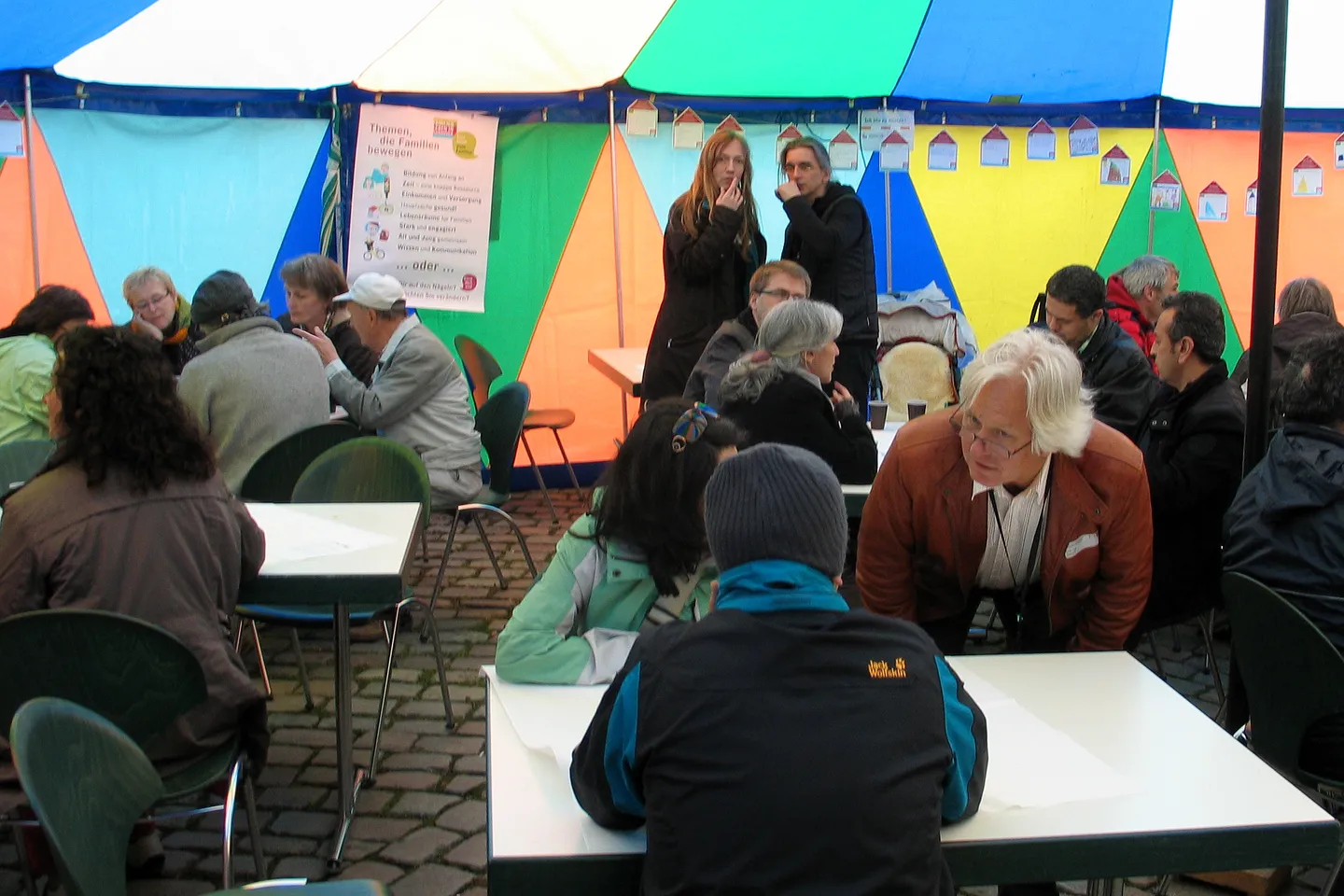
Plan an open Knowledge Café question, small-group conversations and a whole-group reflection, with clear boundaries and a useful route for follow-up.
Method
Map new tasks to observable behaviour, assess evidence with clear limits and choose development or workplace fixes that address the actual gap.
Method
Map customer actions, frontstage encounters, backstage work and support processes. Use a fictional bicycle repair to find a fragile handoff and plan a useful service test.
Method
Build a weighted decision matrix with anchored scores, swing weights, checked arithmetic and sensitivity analysis. See how changing priorities changes a fictional ranking.
Method
Use de Bono’s six perspectives without assigning personality roles. Follow a fictional library decision from evidence and feelings to risks, alternatives and next tests.
Method
Run a reverse-brainstorming session, translate each worsening idea into a practical mechanism, and separate imagined failures from evidence before choosing a test.
Method
Use paired Kano questions to examine basic, performance and attractive requirements. Read category distributions carefully and avoid turning labels into priorities.
Framework
Plan contextual observation, record actions separately from interpretations and examine observer effects. Turn a task sequence into a careful, bounded research finding.
Method
Build a repeatable search, examine source quality and transferability, and turn existing records into a clear evidence summary and focused follow-up questions.
Method
Use Kotter's eight steps as questions, not a recipe: build urgency from checkable evidence, involve people who know the work, and see where the model differs from ADKAR.
Framework
Use the nine blocks to show how a business is meant to work, trace the links between them, mark what is evidence and what is a guess, and choose the next test.
Method
Build a journey map from evidence: choose one person and goal, mark what is known or assumed, add the work behind each step and turn pain points into owned questions.
Method
See a new idea from the adopter's side with Rogers' diffusion theory: perceived attributes, the decision process, peer networks, adopter categories and when saying no is rational.
Framework
Plan World Café questions, rounds, table hosts and a harvest, then use the results honestly: as the views of those present, with clear decision boundaries and follow-up.
Method
Tell McKinsey's growth horizons apart from the futures version, then sort a portfolio, give each horizon its own management and check which transitional moves lead anywhere.
Framework
Go beyond six lists of trends: document signals, trace their business implications and decide which uncertainties deserve research or action.
Method
Use context, circular and hypothetical questions to explore workplace problems without smuggling in an answer. Includes a worked conversation and clear boundaries.
Method
Give a team space to develop ideas in writing, build on each other's suggestions and turn a full worksheet into a useful next step.
Method
Find the beliefs your idea depends on, examine the evidence behind them, and choose what to test before committing more time and money.
Method
A careful guide to Awareness, Desire, Knowledge, Ability and Reinforcement, including where the model needs support.
Framework
Use Discover, Define, Develop and Deliver to connect problem exploration with practical testing.
Framework
Imagine a plan has failed, uncover plausible causes, and turn the most consequential risks into actions before launch.
Method
Identify who is affected, who can influence a change, and which conversations must happen before the next decision.
Method
Run a participant-led conversation with a visible topic queue, simple voting, time checks, and clear follow-ups.
Method
Try a different area, subtopic or format.
Photography credits · Images illustrate working materials and settings, not reported case studies.